A Name's Legacy: Navigating Grief and Friendship in Parenthood
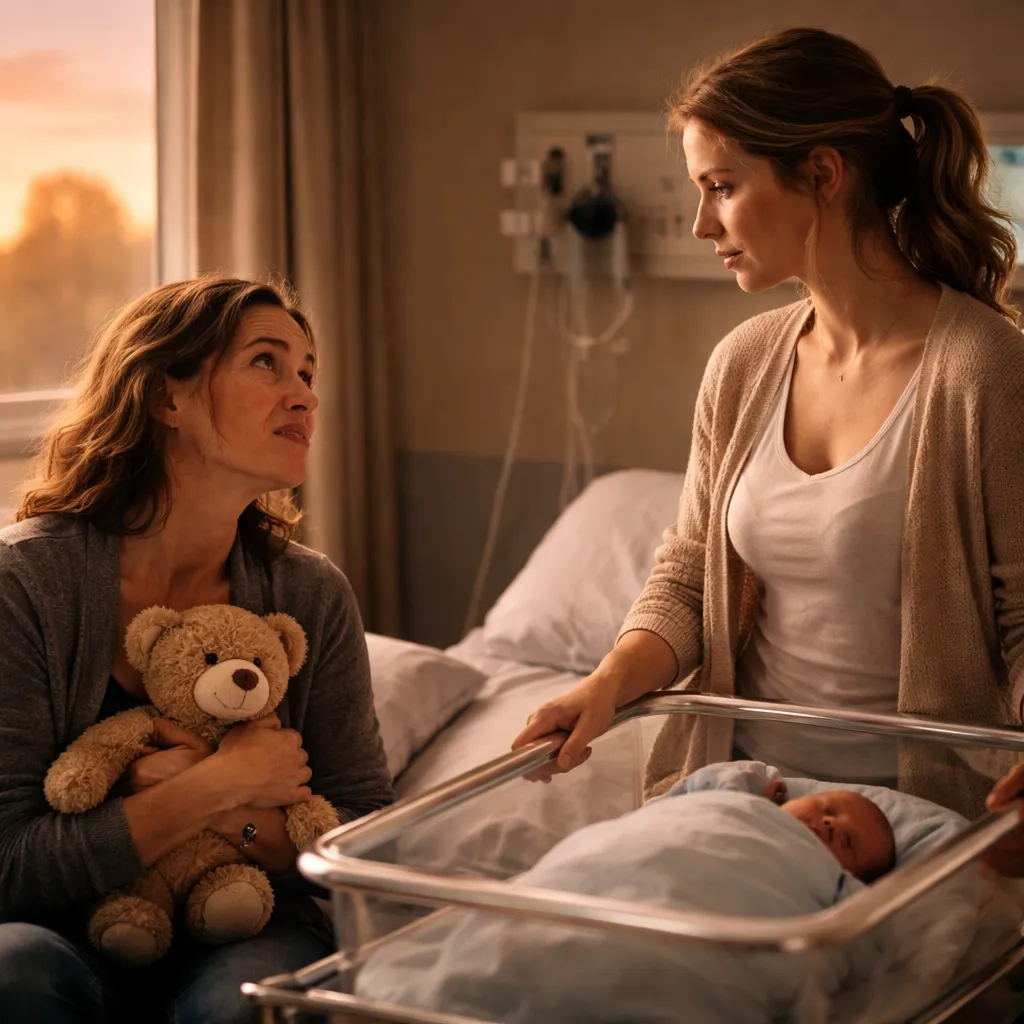
Navigating the complexities of friendship and parenting can be a delicate dance, especially in the face of loss. When a mother’s dreams are challenged by heartbreak and a friend stands at the brink of new life, the intersection of joy and grief can spark difficult conversations. This article explores the emotional landscape that unfolds when one friend, grieving the loss of her child, makes a poignant request to a new mother: to name her son after the one she lost.
Contextual Insights
This story highlights the deeply sensitive issue of grief and loss intertwined with the joy of new life. The request from Laura to name her friend's child after her deceased son, Theo, symbolizes not just a longing for connection to her lost child but also presents a complex emotional situation for both women. Naming a child is typically a joyous event, but in this context, it carries heavy emotional weight.
Laura’s struggle with infertility and loss amplifies her grief, making the suggestion poignant yet difficult for the mother. The emotional distress surrounding this situation highlights how unresolved grief can complicate relationships. It’s crucial to validate these feelings—both Laura’s sorrow and the new mother’s anxiety over fulfilling a request deeply tied to loss. Balancing the two women’s emotional needs may require thoughtful communication and boundary-setting, allowing both to navigate their unique experiences without overshadowing one another’s feelings.
On a practical level, it's essential for the new mother and her husband to thoroughly discuss the implications of such a name choice. Understanding how a name can hold deep emotional significance and serve as a tribute is vital. However, they must also consider how naming their child Theo might affect the child's identity and relationship with Laura. A middle ground, such as using Theo as a middle name, may offer a compromise that acknowledges Laura’s request while maintaining the uniqueness of their son's first name. Open dialogues about grief and naming can help establish boundaries and ensure that both mothers feel seen and respected in their emotional journeys. Seeking the input of a family therapist can provide a safe space for these conversations, easing tensions while fostering understanding.
Life Advice
When navigating complex emotional situations like this, open and honest communication stands at the forefront. As a new mother, it’s important to create a space where both your feelings and your friend's feelings can be expressed freely and without judgment. Rather than dismissing or overlooking Laura's request, consider having a heart-to-heart discussion about her feelings surrounding Theo's name, while also sharing your fears and concerns. This allows both parties to feel heard and appreciated while working toward a resolution.
Establishing firm yet compassionate boundaries is crucial. While Laura’s request is born out of grief, it’s perfectly valid to express your concerns about naming your son in a way that also honors your own family's values and future. Discussing potential compromises—like using the name as a middle name—can create a pathway to reconciliation. Remember, this decision is not only a reflection of Laura’s loss but also a connection to your family's identity moving forward.
It may also be helpful to acknowledge the emotional weight this decision carries. While it can be tempting to feel pressured to comply with your friend’s wishes, it’s essential to prioritize what feels right for you and your family. Gestures of kindness, such as inviting Laura to partake in special moments, can fulfill her longing for connection without compromising your son’s unique identity. Additionally, consider reaching out to a counselor or therapist who specializes in grief. They can facilitate discussions that help both you and Laura process emotions and reinforce your friendship's strength through these challenging times.
Lastly, showing care for both yourself and Laura during this endeavor is paramount. Keep in mind that grief has no timeline, and while one foot may tread towards joy, the other may still be anchored in sorrow. Allow yourself to feel both emotions fully and encourage Laura to do the same. This shared understanding creates a bond forged through compassion, consideration, and a commitment to one another’s healing.
Conclusion
The delicate balance of grief and joy portrayed in this story serves as a profound reminder of the complexities of human relationships. It illustrates that while one may celebrate new life, it can coexist with profound loss. The decision facing the new mother highlights the importance of empathy, clear boundaries, and deep conversations when navigating sensitive topics like naming a child. By recognizing both the joy of welcoming a new family member and the weight of the past, both friends can empower each other in their journeys.
As difficult as this decision may be, it encourages thoughtful reflection on emotional well-being in the context of relationships steeped in personal histories. Continuing to support one another while establishing healthy boundaries can promote growth for both individuals involved. Furthermore, seeking professional support can bolster understanding between the two friends and assist in navigating grief with compassion. Ultimately, both women have the ability to navigate their intertwined paths toward healing, fostering a friendship that can adapt and flourish amidst life's most challenging moments.
The community verdict, based on 0 comments.
Keep reading
 NTA
NTANavigating an Inherited Home: Balancing Family Legacies and Personal Choices
Inheriting property can often come with complex emotional and ethical dilemmas, especially when the past is intertwined with unspoken relationships. This is the case for the niece of Joanne, who left her home to her after a lifetime with he
 NTA
NTAThe Complicated Legacy of a Family Engagement Ring: Navigating Emotions in Relationships
Getting engaged is often a moment of joy and celebration, but it can also unearth complex emotions, especially when family history and previous relationships intertwine. This particular story reveals the emotional turmoil surrounding an hei