Navigating Friendship and Finances: When My Best Friend Wants to Buy Me Out of Our Shared Home

The Emotional and Financial Complexities of Ending a Shared Home With a Friend
When two best friends make a monumental decision to buy a house together, they envision a lifetime of shared memories and support. However, as life changes, the bonds of friendship are often tested by financial realities. This scenario raises challenging questions: What happens when one friend wants to move on, and the other is left grappling with the implications? Exploring this situation sheds light on the emotional impact of financial agreements and the difficulties of navigating personal relationships amidst significant life changes.


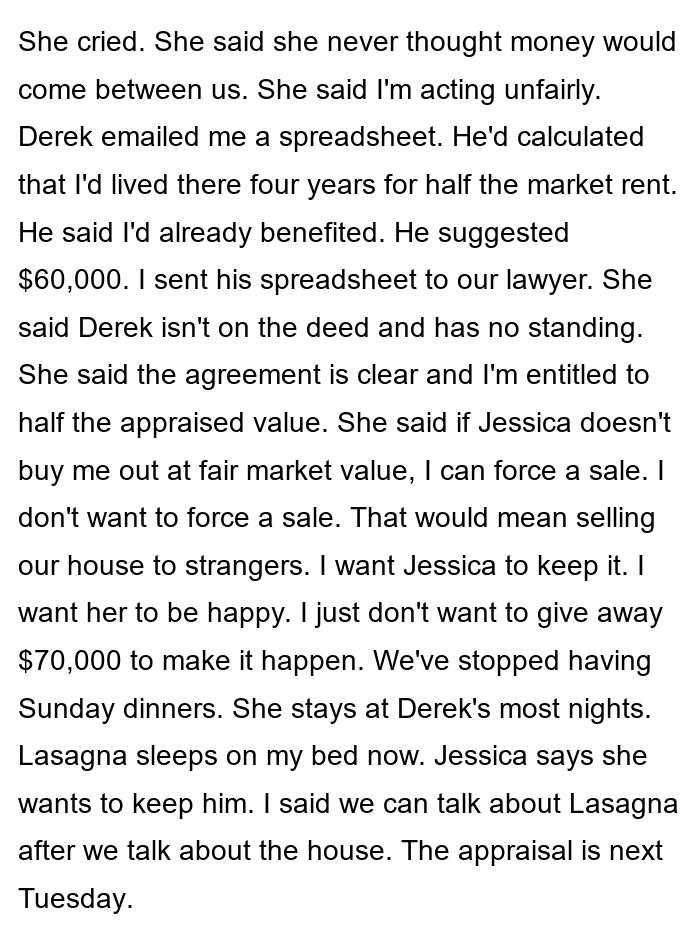
Contextual Insights
The dilemma faced by the two friends is not merely financial; it's steeped in emotional consequences and the complexities of long-term relationships. The primary issue arises from a co-ownership agreement, which dictates how to handle the property in the case of a sale or buyout. This situation illustrates a common challenge when navigating friendships and finances—especially as personal circumstances evolve. Jessica's engagement marks a significant life change, prompting her desire to transition from a shared home with her best friend to a new life with her fiancé.
This emotional shift can lead to feelings of resentment, confusion, and betrayal as financial interests might clash with personal relationships. The friend who feels unfairly treated may experience stress and anxiety stemming from the potential loss of both a home and a cherished friendship. Hence, it's essential to consider that as friendships change, the dynamics surrounding shared agreements must also be navigated carefully, without compromising personal well-being or financial security.
In such situations, it is advisable to seek guidance from legal professionals to clarify rights and obligations in co-ownership situations. Friends may benefit from open and honest communication about their feelings and expectations, which can ease tensions and promote understanding. Understanding each party's perspective and the motivations behind their actions can bridge the gap that financial disagreements often create. Ultimately, deciding between a buyout and a forced sale requires careful consideration of both emotional and financial ramifications, with open dialogue being key to a possible resolution.
Life Advice
Navigating complex feelings during significant life transitions can be fraught with emotional turbulence. It's crucial to approach the situation with empathy for both yourself and your friend. Acknowledge that this isn’t purely about finances; it’s about a friendship that has been built over many years, and its potential changes. It’s natural to feel hurt or defensive when money becomes an aspect of a close relationship, but approaching these conversations with compassion can help maintain the bond.
Consider conducting an open dialogue with Jessica to express your feelings about her proposal and what it signifies for your friendship. This conversation can create a platform for both of you to share your concerns and expectations. Ensure it’s a calm discussion—emotions may run high, so a respectful atmosphere can lead to a more productive outcome. Clear communication can often illuminate paths to compromise that preserve both the friendship and financial fairness.
If a compromise around the buyout price seems challenging, engaging a mediator or a neutral third-party may help facilitate discussions and negotiations. This individual can provide professional support to guide you both through the financial complexities while keeping emotional welfare in focus. Mediation can offer a safe environment where both parties feel heard and valued, promoting a collaborative approach to conflict resolution.
Regardless of the outcome, remember the importance of self-care and emotional processing as you navigate this transition. Reaching out to trusted friends, family members or even a counselor can provide much-needed support. Finding ways to reconcile these feelings—be it through journaling, talking it out with a confidant, or engaging in relaxing activities—can be invaluable in managing this life shift. Balancing financial decisions with emotional considerations is critical to ensuring that whichever way the situation evolves, you remain steadfast in maintaining your emotional health and the integrity of your friendship.
Conclusion
In conclusion, this story illustrates a poignant but common struggle that arises when life changes challenge the foundations of friendships. The core dilemma is not just about the value of a house, but rather about navigating the intersection of financial decisions and emotional ties. As the appraisal day approaches, both friends must balance respect for their agreement with the complexities brought about by changing life circumstances. Open and honest conversations, empathetic listening, and possibly professional mediation can facilitate a resolution that respects both the financial realities and the enduring friendship.
Ultimately, this scenario serves as a reminder of the importance of addressing interpersonal dynamics and emotional needs when financial agreements are involved. By prioritizing clear communication and fairness, it’s possible to navigate these tumultuous waters without compromising cherished relationships. Both parties should consider the value of their history together, fostering goodwill even amidst negotiation and dispute.
The community verdict, based on 0 comments.
Keep reading
 NTA
My father wishes to be buried under the oak tree on our land, but my wife is firmly against this request.
Confronting Family Wishes: Balancing Deep Emotional Bonds with Practical Considerations in End-of-Life Decisions The difficult intersection of family emotions and practical decisions often surfaces in times of crisis, particularly when navi
 NTA
Our dog went missing during a storm and was found by a homeless man. My husband is furious about the $1,000 reward I gave him.
The Unforeseen Impact of Compassion: A Family's Dilemma Over a Generous Reward for a Lost Dog's Rescue In a world often marked by suspicion and caution, a family's desperate search for their lost dog, Penny, turned into an unexpected tale o