My Son's Bar Mitzvah Dilemma: Belief vs. Tradition Just Weeks Away
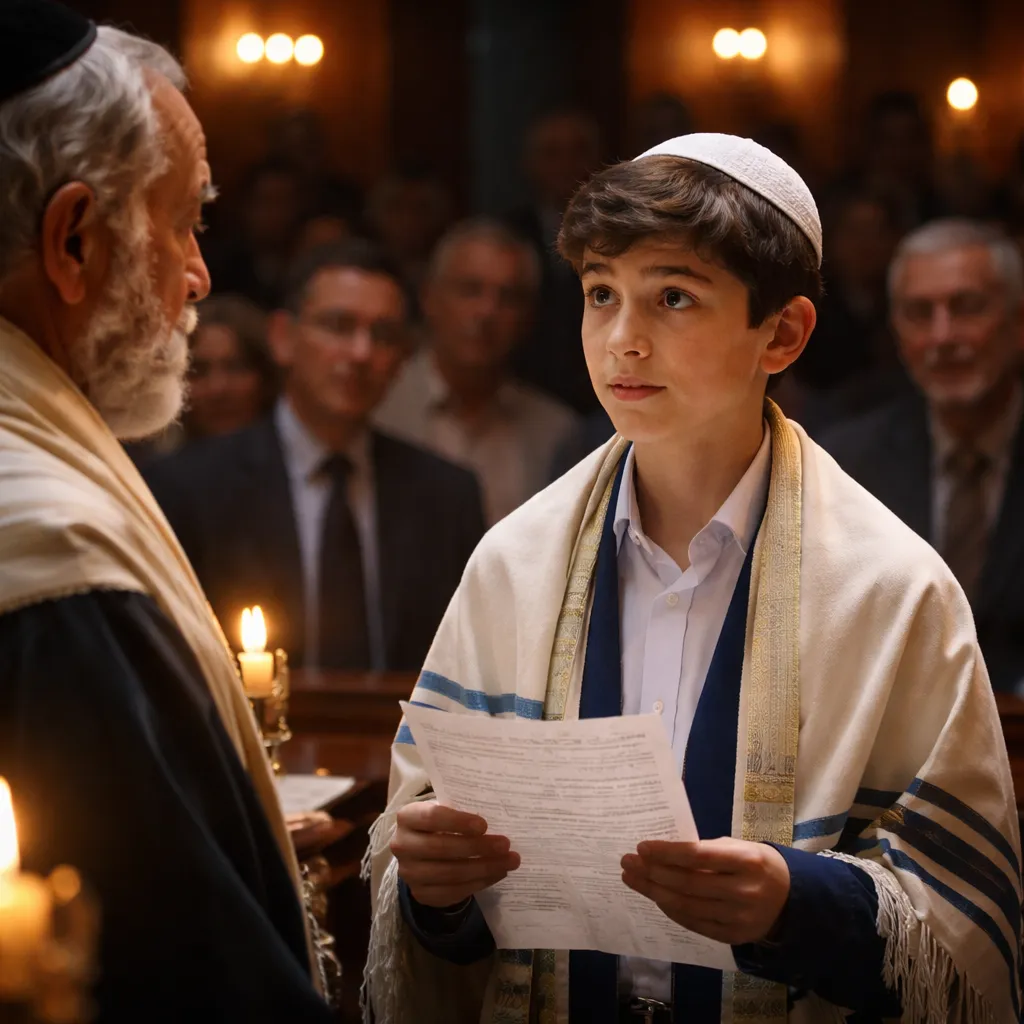
Navigating the Intersection of Faith and Tradition: A Young Boy's Bar Mitzvah Journey
As Eli approaches a significant milestone in his life, the preparation for his bar mitzvah reflects not just the traditional celebrations but also the profound introspection of a young boy questioning his beliefs. This situation highlights the tension between familial expectations and personal conviction, raising important discussions about faith, honesty, and the legacy of cultural traditions, particularly within the Jewish faith. Understanding these dynamics is crucial for families navigating similar moments.
Contextual Insights
This poignant story brings forth the complexities surrounding faith and identity as Eli transitions into adulthood through the bar mitzvah ceremony. The primary conflict stems from Eli's questioning of belief in God, which stands in contrast to the traditional expectations of such a significant Jewish rite of passage. This experience is common among teenagers grappling with their understanding of life, existence, and what it means to grow up in a faith-based system, often leading to feelings of anxiety and confusion.
Emotionally, Eli's struggle reveals the inner turmoil many adolescents face. The fear of disappointing family traditions weighed heavily on him, especially knowing how deeply meaningful the bar mitzvah is to his grandfather. It raises the question of authenticity—should Eli adhere to the expected script of the ceremony despite his doubts, or should he express his true feelings, even if it disrupts familial expectations? Families navigating similar situations might experience stress and conflict, emphasizing the need for open communication about beliefs and values.
From a practical standpoint, this story sheds light on the significance of community and tradition versus personal belief. While many may hold differing levels of faith or belief in God, the bar mitzvah often serves as a communal celebration of identity and heritage. Here, the rabbi’s approach provides a balanced solution, suggesting that Eli's honesty can coexist with tradition, thereby offering him a sense of agency within the ritual.
Ultimately, this situation provides an opportunity for discussion about how to support young people as they navigate their belief systems while respecting family customs. Encouraging healthy dialogue about faith and doubts can foster a nurturing environment where the emotional well-being of the individual remains a priority.
Life Advice
As Eli approaches his bar mitzvah, his journey illustrates the importance of authenticity in the face of tradition. For families experiencing similar conflicts, it can be beneficial to establish a space for open dialogue about faith, beliefs, and doubts. Encouraging children to express their feelings without fear of reprimand can facilitate deeper understanding and respect between generations. Acknowledging that doubt is a natural part of personal development, particularly during adolescence, can ease the pressure often felt around traditional ceremonies.
Moreover, consider aligning spiritual practices with personal beliefs. For Eli, this meant rewriting his speech to incorporate his truth while still honoring his heritage. This balance allowed him to participate in a significant family tradition without compromising his beliefs. Encourage children to find that balance; this approach can also apply to adults when discussing faith in family settings. Exploring personal meaning in traditions can enhance engagement and connection, rather than detachment.
Parents and guardians should strive to validate their children's feelings while also sharing the importance of cultural practices. An understanding of the historical significance behind such traditions—not merely as rituals, but as a means of connecting to one’s ancestors and community—can forge a deeper connection for both the child and the family. Help children create meaningful connections to their heritage rather than forcing them to comply with customs that do not resonate with them.
Lastly, when families face pivotal moments like Eli's bar mitzvah, seeking support from knowledgeable figures, such as a trusted rabbi, can create a more enriching experience. This outside perspective may alleviate some familial tension, allowing for a more joyous recognition of both the individual's beliefs and cultural heritage. Encourage open-mindedness in these discussions, and be patient with the process of integration and acceptance.
Conclusion
Eli's journey toward his bar mitzvah serves as a powerful testament to the intersection of faith, authenticity, and familial love. Through his decision to express his doubts openly, he not only remains true to himself but also honors the legacy of his ancestors. This experience highlights the importance of allowing young individuals to navigate their beliefs while still participating in traditional rites of passage.
For families, embracing open communication can foster understanding and acceptance, creating an environment where both shared traditions and personal beliefs coexist. As Eli’s story unfolds, it reminds us that while traditions carry significant weight, authenticity in one's beliefs is equally essential. Emotional well-being should never be forfeited in the name of tradition; rather, these moments should serve to strengthen familial bonds.
Ultimately, Eli’s bar mitzvah will be a cherished memory for years to come, not merely because of its adherence to tradition but because of the courage he demonstrated in voicing his truth. It is a poignant reminder of the beauty of bridging the past with the present while honoring individuality within a collective narrative. In navigating similar moments, may families approach the complexities of belief with compassion, openness, and heartfelt discussions.
The community verdict, based on 0 comments.
Keep reading
 NTA
My father wishes to be buried under the oak tree on our land, but my wife is firmly against this request.
Confronting Family Wishes: Balancing Deep Emotional Bonds with Practical Considerations in End-of-Life Decisions The difficult intersection of family emotions and practical decisions often surfaces in times of crisis, particularly when navi
 NTA
Our dog went missing during a storm and was found by a homeless man. My husband is furious about the $1,000 reward I gave him.
The Unforeseen Impact of Compassion: A Family's Dilemma Over a Generous Reward for a Lost Dog's Rescue In a world often marked by suspicion and caution, a family's desperate search for their lost dog, Penny, turned into an unexpected tale o