Confronting a Bully: A Father's Struggle with the School's Restorative Justice Approach
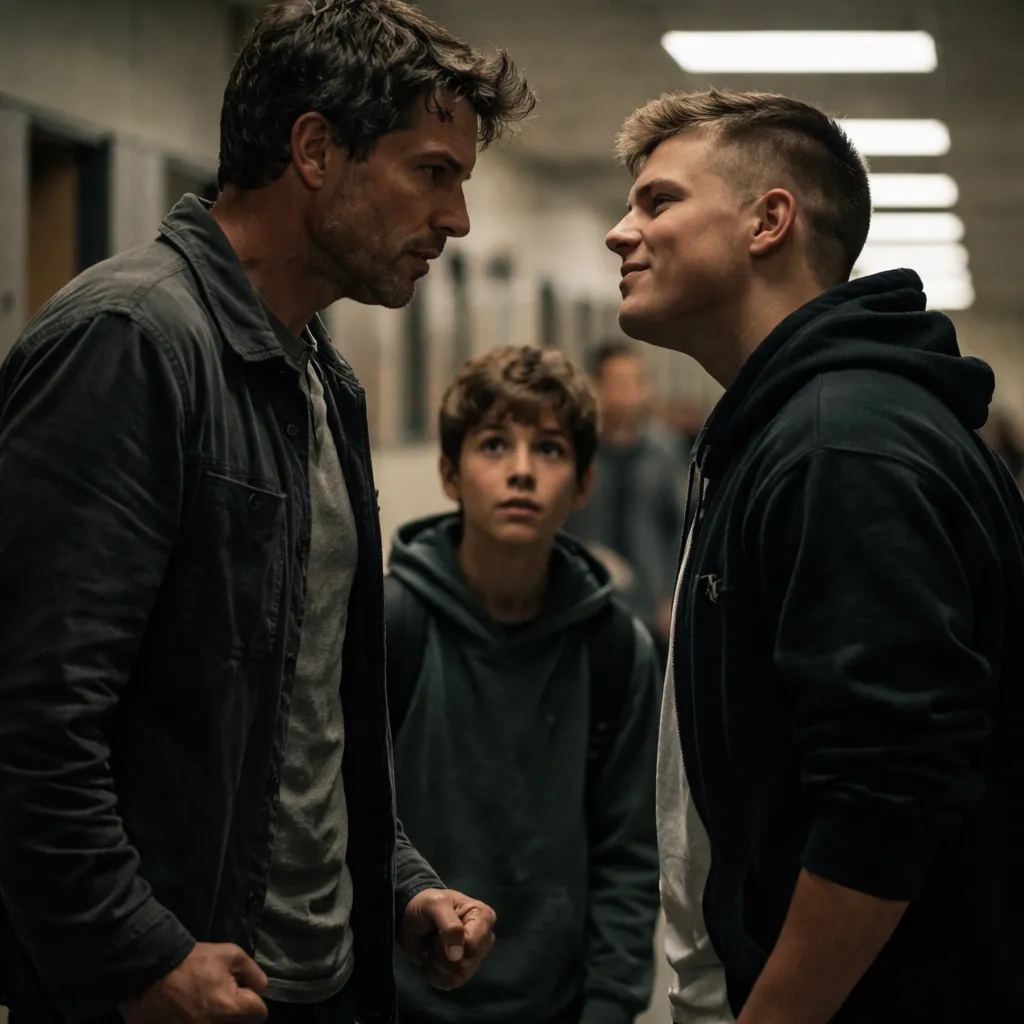
Understanding the Challenges in School Bullying: A Parent's Perspective on Restorative Justice Methods
Bullying in schools is a pervasive issue that can significantly impact a child's emotional and psychological well-being. In this poignant story, a parent shares their harrowing experience as they navigate the complexities of school bullying, and the inadequate responses from the educational system. This situation matters not only for the affected child but also highlights the urgent need for effective anti-bullying policies in schools. As we delve into this tale, we will explore practical insights and solutions for parents facing similar challenges.
Contextual Insights
The situation described in Lucas's story reflects a type of bullying that escalated beyond typical teasing to a severe and harmful level. The emotional toll on victims of bullying can be profound, leading to feelings of anxiety, depression, and isolation. In this case, Lucas faced not only physical harm but also emotional distress stemming from the ongoing bullying and the school's ineffective response. Understanding the impact of bullying is crucial; it often goes unnoticed by educators and is minimized, leading victims to feel unsupported and afraid.
Furthermore, Lucas’s experience with the school's restorative justice approach underscores a common dilemma faced by educational institutions: balancing accountability with the need for rehabilitation. While offering opportunities for offenders to take responsibility for their actions can be beneficial, it is essential to ensure that the victim's needs and comfort are prioritized. The pressure placed on Lucas to participate in a process that did not feel safe or beneficial exacerbated his feelings of fear and helplessness. It is vital for schools to recognize that not all restorative practices suit every situation, especially when the bully shows no genuine remorse.
For parents in similar situations, it is important to document all incidents of bullying thoroughly and understand your rights regarding your child's safety in school. When addressing bullying, maintaining open lines of communication with your child is critical—they should feel comfortable sharing their feelings and experiences. Seeking external support, whether professional counseling or legal advice, may also be necessary in severe cases.
Consequently, this story emphasizes the importance of modifying school policies based on real feedback from students and families. It illustrates that policies must not just exist on paper but should be implemented in a way that truly promotes healing and safety for all students.
Life Advice
If you find yourself in a situation similar to Lucas's, it is vital to advocate for your child's well-being. Start by fostering open communication. Encourage your child to express their feelings about school and any issues they are facing. Listen empathetically, without judgment, ensuring they feel heard and supported.
When addressing bullying, document every incident with specific details. Keep records of dates, times, names involved, and descriptions of the incidents, including responses from school officials. This will provide you with a clear account of what has transpired, empowering you to advocate more effectively for your child's needs.
Exploring alternate methods of support can also be invaluable. Encourage your child to engage in positive activities—like clubs, sports, or creative pursuits—that restore their confidence and allow them to build friendships in a supportive environment. Connecting your child with counseling services or therapists trained in dealing with childhood trauma and bullying can also provide them with coping strategies to manage the emotional fallout from their experiences.
In cases where school policies seem inadequate, do not hesitate to escalate your concerns beyond the principal's office. Reach out to district-level administrators, school board members, or local advocacy groups. Remember, it’s your responsibility to ensure that your child feels safe and supported in their learning environment, and seeking external support is a valid and often necessary step in that process.
Conclusion
Lucas's experience serves as a powerful reminder of the challenges children face in schools regarding bullying. The journey of navigating this issue highlights the importance of advocacy, both for our children and for systemic change within educational institutions. By documenting incidents and communicating openly with both your child and school officials, parents can better support their children’s needs and push for meaningful policy changes. The lesson learned from Lucas's story illustrates that meaningful engagement with victim support and effective accountability measures are essential components of a healthy school environment. Ultimately, no child should have to feel unsafe or unsupported during their formative years. Encouraging open dialogue, fostering supportive interactions, and advocating for policy improvements can create a safer and healthier environment for all students. Remember, seeking professional help is always an option when needed, just as it was for Lucas when he changed schools and found joy and laughter once more.
The community verdict, based on 0 comments.
Keep reading
 NTA
My father wishes to be buried under the oak tree on our land, but my wife is firmly against this request.
Confronting Family Wishes: Balancing Deep Emotional Bonds with Practical Considerations in End-of-Life Decisions The difficult intersection of family emotions and practical decisions often surfaces in times of crisis, particularly when navi
 NTA
Our dog went missing during a storm and was found by a homeless man. My husband is furious about the $1,000 reward I gave him.
The Unforeseen Impact of Compassion: A Family's Dilemma Over a Generous Reward for a Lost Dog's Rescue In a world often marked by suspicion and caution, a family's desperate search for their lost dog, Penny, turned into an unexpected tale o